
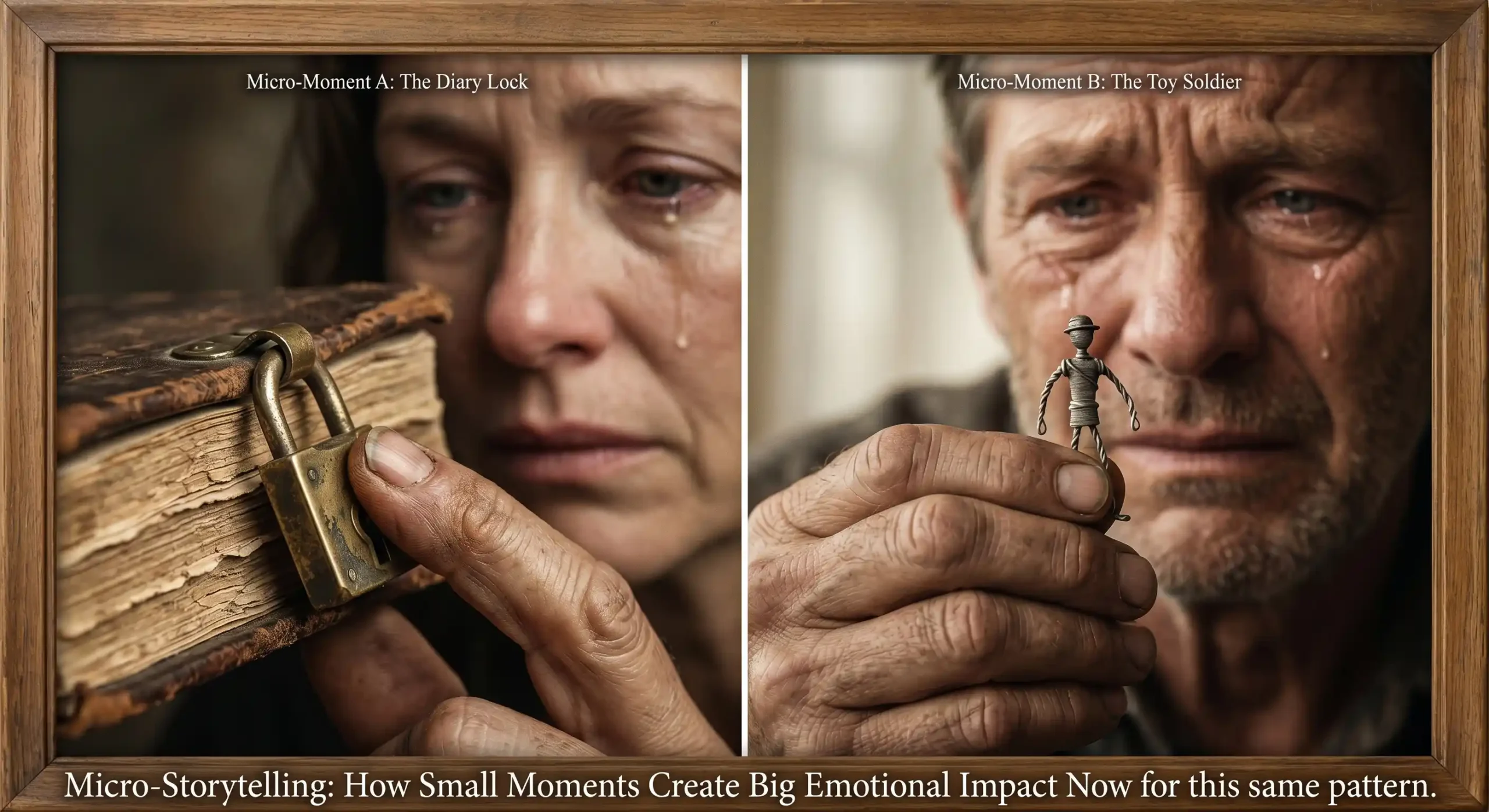
Micro-storytelling isn’t cramming everything into fifteen seconds. It’s about one moment. One real, genuine thing that happens. A worker’s hands doing something they’ve done a thousand times. That split second when a customer’s face changes because something just clicked. Two people making eye contact and understanding each other without saying anything. These tiny details create emotional impact in video that big elaborate narratives can’t touch.
Here’s why: specificity beats everything else. Stop trying to tell people your entire brand story. Show them one honest human moment instead. That focus lets audiences actually feel something because they recognize themselves in it. Short-form storytelling works because our brains fill in what’s missing. Show us one real thing, and we’ll imagine the whole story. That’s what makes micro-moments stick.
Why Less is More in Modern Video Marketing
Attention spans didn’t vanish. People just got pickier. They’ll scroll past ninety percent of content, but they’ll watch something compelling all the way through if it grabs them fast. Instagram Reels, YouTube Shorts, TikTok – these platforms just made what was already happening more obvious. The brands getting attention aren’t jamming information into short clips. They’re cutting away everything except what actually matters emotionally. One moment. One feeling. That’s it.
This short-form video strategy works because extra context waters things down. Remove the setup, the explanation, all that corporate stuff, and what’s left hits harder. Video storytelling at its best doesn’t need acts or character arcs. Just one genuine human second that makes people feel something. Feelings stick. Explanations don’t.
Finding the “Invisible” Details
The best micro-moments usually aren’t planned. Someone’s hand shaking slightly before they go on stage. Two coworkers glancing at each other when something ridiculous happens. Hands doing familiar work without thinking. A quick smile when nobody’s supposed to be watching. These visual storytelling details work because they’re not performance.
Understanding mise en scene helps you spot them – everything in frame tells you something. Skip the dialogue explaining feelings. Let people see them in these cinematic details instead. The trick is paying attention when you’re filming. Don’t just get your planned shots. Watch what happens between takes. The real stuff. The unscripted reactions. These “invisible” details bypass suspicion because they feel found, not manufactured. That’s what separates corporate video from actual human connection.
The Role of Emotional Continuity in Micro-Storytelling
Traditional story structure doesn’t work in fifteen seconds. No time for setup, conflict, resolution. So what holds these micro-stories together? Emotional continuity – keeping one consistent feeling going even without regular story beats. Good editors working on documentary editing and authentic brand stories get this instinctively. They’re not building scenes by timeline or plot. They’re connecting moments that share the same emotion. Maybe determination. Or joy. Or quiet focus.
Each cut keeps that feeling alive, creating unity without needing narrative. This lets you jump around – different places, different people, different actions – while still feeling connected. Viewers don’t need backstory about who these people are. They just feel the emotion running through everything. That consistency turns random clips into something that resonates.
Sound Design: Amplifying Small Moments
Silence hits harder than music sometimes. A sharp breath carries more weight than words. Background noise makes moments feel real. Cinematic sound design turns micro-storytelling from interesting to intimate. Audio cues pull people deeper in. The slight creak of a chair. Footsteps in an empty space before anyone else arrives. That satisfying sound when something clicks into place perfectly.
These sounds don’t just accompany what you’re seeing – they amplify the emotional impact of sound. Strategic silence works incredibly well too. Drop everything except one specific sound. When it goes quiet except for nervous breathing before something big, you feel that tension physically. The back-and-forth between sound and silence creates rhythm that guides how people feel without them noticing you’re doing it.
Using J-Cuts and L-Cuts to Bridge Micro-Moments
Smooth transitions matter when you’ve only got seconds. J-cuts and L-cuts use audio to connect visual moments seamlessly. J-cuts bring in sound from the next scene before you see it. You hear someone talking before they appear. That anticipation pulls you forward. L-cuts keep audio from the current scene running past the visual cut. You’ve moved to a new shot, but the previous sound continues, linking them.
These smooth video transitions prevent jarring jumps that break the mood. Moving from one detail to another – hands working to a satisfied expression – using audio to bridge maintains flow. Pacing in video editing becomes critical at this scale. Even half a second changes how moments land. Getting that timing right is what makes micro-storytelling feel effortless instead of choppy.
Micro-Storytelling in B2B and Corporate Videos
Corporate content doesn’t need to feel corporate. Corporate videography using micro-storytelling makes huge companies feel personal by focusing on one human experience. Instead of showcasing everything, show one employee’s morning. How they set up their space. Their first interaction. That specificity makes a massive corporation relatable.
B2B storytelling benefits hugely from this. Rather than explaining your entire offering, show one brief customer moment that captures the value. Problem acknowledged. Solution provided. Grateful reaction. Done. Brand culture videos using micro-moments work because they skip corporate language completely. You’re not telling people about values. You’re showing one real moment where those values just appear naturally. That proof beats mission statements every time when connecting with audiences who’ve heard it all before.
Conclusion: Create Big Impact in Bite-Sized Frames with Micro-Storytelling
Micro-storytelling is where brand video strategy is going. People reward real and brief. They connect with human moments over corporate messaging. The future of storytelling isn’t always longer, bigger, more elaborate. Often it’s finding the single most powerful moment and letting it exist. For your next campaign, ask different questions. Not “what’s our story?” but “what’s the one moment that says everything?” Not “how do we explain values?” but “where do values show up naturally in small daily things?” Professional video production services understand this shift. They’re hunting for micro-moments that contain entire stories. Start looking for small stuff. The fleeting things. The authentic bits. That’s where emotional impact actually lives. Big stories come from small moments done right.
Small moments. Big impact. Unforgettable stories. At Kween Media, we specialize in capturing the micro-moments that make brands feel human and messages feel real. From finding those fleeting authentic details to crafting them into compelling narratives, we bring the storytelling expertise that transforms brief clips into emotional connection.Let’s build upon your micro-moments.